
The evolution of casinos A journey through time and culture
The evolution of casinos A journey through time and culture
The Origins of Gambling
The concept of gambling dates back thousands of years, with evidence of games of chance found in ancient civilizations. Archaeologists have discovered artifacts in China from around 2300 B.C. that suggest the use of dice and betting on outcomes. Similarly, ancient Romans and Greeks engaged in various forms of gambling, often integrating it into their cultural practices and festivities. As we explore the landscape of gambling for beginners, it’s essential to consider the latest offerings, including new kiwi casino 2026 that are emerging in the industry.

These early games were not just about chance; they often held social significance, bringing communities together in shared excitement. The cultural attitudes toward gambling varied widely, with some societies embracing it as a form of entertainment, while others viewed it with suspicion or even disdain. This duality of perception set the stage for the evolution of casinos throughout history.
The Rise of Formal Casinos
The first official casinos emerged in the 17th century in Italy, with the establishment of the Ridotto in Venice. This venue offered a structured gambling experience, allowing patrons to enjoy games in a lavish setting. The concept quickly spread across Europe, with France and then the rest of the continent embracing the allure of casinos as social hubs.
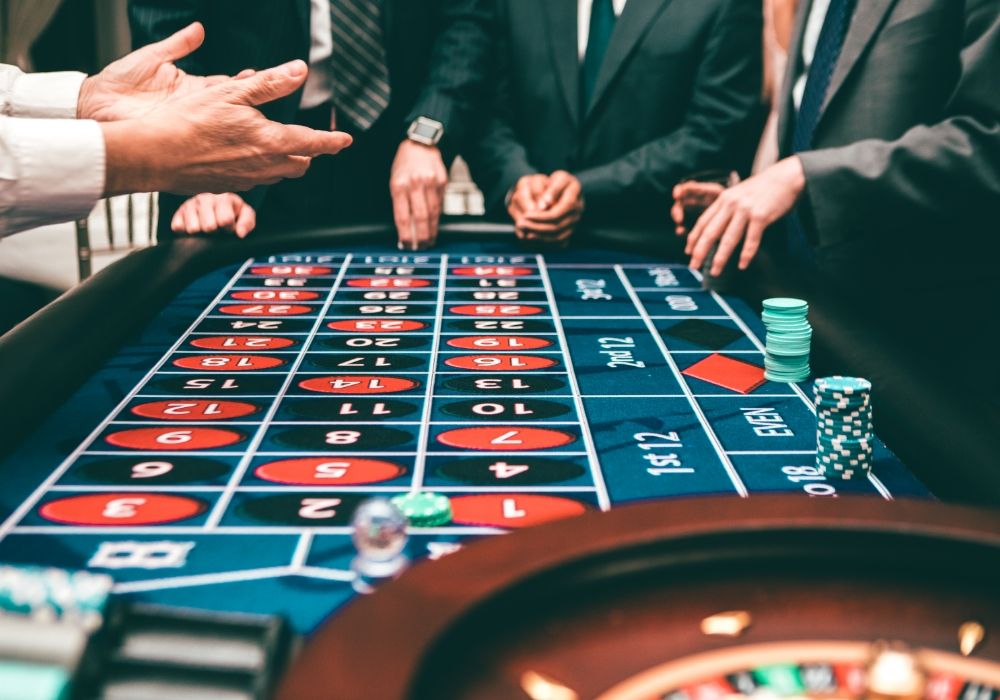
During this period, games such as baccarat and roulette became synonymous with casino culture, attracting the wealthy elite. These establishments not only provided entertainment but also reflected the opulence of their surroundings, often designed with exquisite architecture and lavish interiors. The rise of formal casinos marked a significant shift from informal betting practices to organized gambling establishments.
The American Casino Boom
The 20th century witnessed a significant transformation in the casino landscape, particularly in the United States. The legalization of gambling in Nevada in 1931 paved the way for the development of Las Vegas, a city that would become synonymous with casinos. Initially known for its mob connections, Las Vegas evolved into a glamorous destination for tourists seeking excitement and entertainment.
This era saw the emergence of iconic casinos like the Flamingo and the Sands, which featured extravagant shows and luxurious amenities. The American casino boom not only popularized gambling but also influenced global perceptions of casino culture, establishing Las Vegas as a model for other gambling destinations worldwide.
Modern Casinos and Technological Advancements
The late 20th and early 21st centuries brought about remarkable advancements in technology that reshaped the casino experience. The introduction of online gambling platforms revolutionized the industry, allowing players to enjoy their favorite games from the comfort of their homes. This shift opened the door to a broader audience, including younger generations who preferred digital interactions.
Today, modern casinos blend traditional gaming with cutting-edge technology, offering virtual reality experiences and mobile apps that enhance gameplay. The incorporation of sophisticated algorithms and data analytics also enables casinos to tailor experiences to individual preferences, providing a personalized approach to gambling.
Exploring Our Website for Gaming Insights
Our website is dedicated to guiding enthusiasts through the ever-evolving landscape of online casinos. We provide in-depth reviews and insights into the latest gaming experiences, ensuring that players are well-informed about their options. From fresh games to impressive bonuses, we evaluate various casinos to highlight the best choices available.
Additionally, we emphasize safe gambling practices, offering resources and guidance to promote responsible gaming. Whether you are a novice or a seasoned player, our platform is designed to enhance your gaming journey, making informed decisions easier and more enjoyable.
